 By admin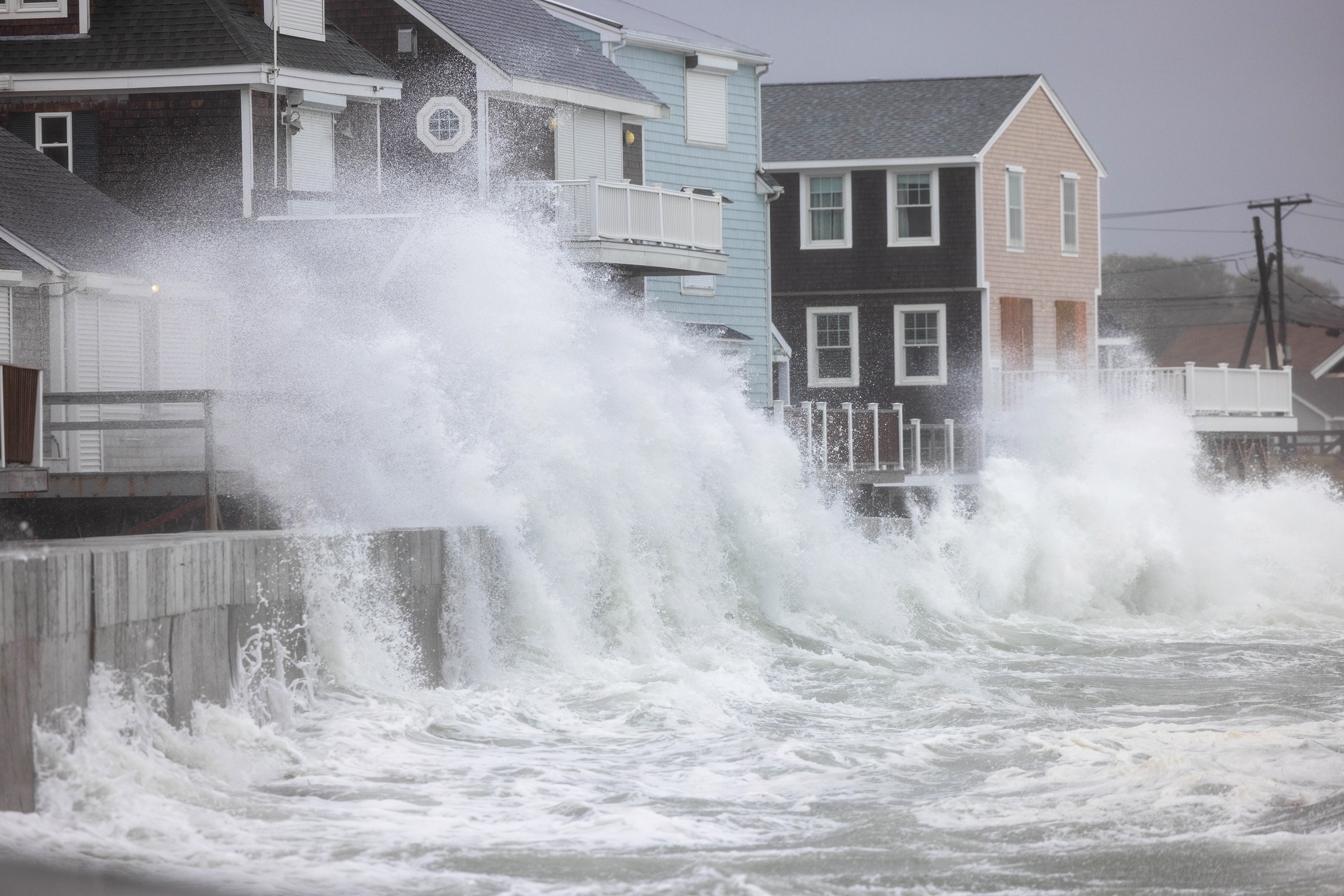
Support justice-driven, accurate and transparent news — make a quick donation to Truthout today!
Read more Formerly Incarcerated Women Sued to Get Air Conditioning in Texas Prisons — and Won
A rare nor’easter storm system that ripped through the East Coast of the United States this weekend was made many times more likely to happen by the effects of the climate crisis.
As of Monday morning, the nor’easter was slowing down, with forecasters stating that the worst of the storm had passed. But reports of the storm’s impact on Sunday demonstrated its severity, with coastal flooding in some areas reaching the worst levels seen since Hurricane Sandy in 2012.
Heavy floods were reported on much of the East Coast, ranging from Delaware to New York. Several parts of New York City and Long Island were also reportedly hit hard by floods. In Surf City, New Jersey, wind speeds reached as high as 74 miles per hour. Waves in some parts of the coast reached as high as 20 feet.
At least one death has been counted as a result of the storm as of Sunday night: a 56-year-old New York City employee who was killed by a tree that fell during the storm. More than 130,000 people were also without power at some point.
Read more Iranian Strike Wounded 8 US Marines, Report Says as US Rejects Ceasefire Offer
According to an analysis from the nonprofit Climate Central, warming water temperatures and rising ocean levels contributed to the strength of the storm. Per the group’s examinations, warming waters, around 2-4°F higher than usual, made the nor’easter 10-50 times more likely.
“Climate change is raising sea levels along the East Coast, so coastal communities are starting every storm from a higher water level,” said Zachary Labe, a climate scientist at Climate Central. “That makes flooding and erosion from nor’easters like this one more likely and more severe.”
Nor’easters are cyclonic storm systems that travel near the East Coast of the United States. Although they can occur at any point during the year, their seasons generally run from September through April, with most storms peaking around December through February, when they can form into massive snow systems. The nor’easter that hit this weekend is considered a rare one — only about 1 percent of nor’easters hit during the month of September. Indeed, this particular storm has already dropped around two months’ worth of rain over a four-day period.
Climate Central’s conclusion that the storm was made more likely due to the effects of the climate crisis is consistent with past studies warning about nor’easters. A scientific paper published in 2025, for example, found that nor’easters in general are intensifying due to human-made climate change, with rates of rain and snow in the storms increasing by about 10 percent compared to what figures showed in the 1940s.
Read more Trump Ads Could Be Grounds for Impeachment, Former WH Ethics Lawyer Says