 By admin
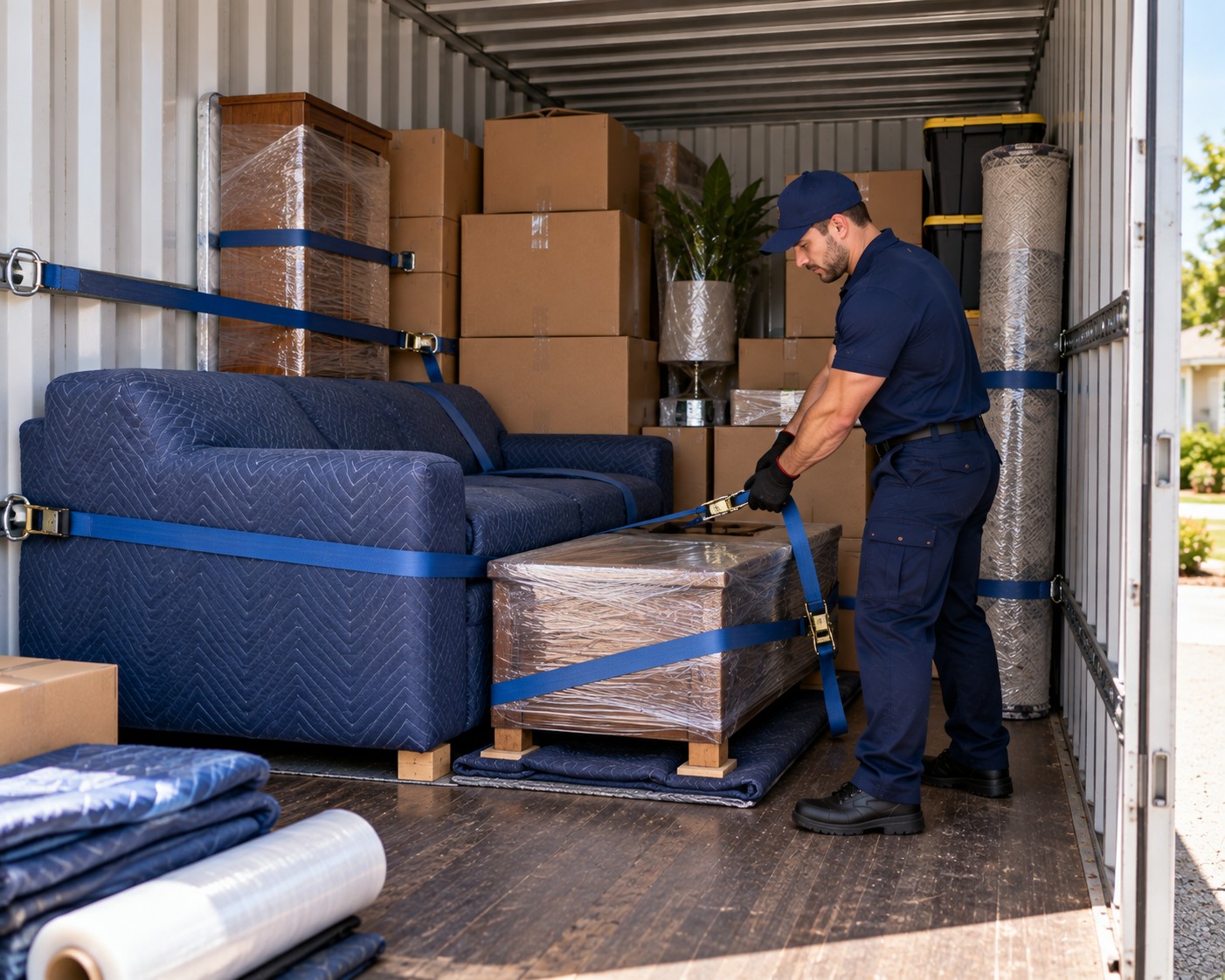
A moving container may look securely packed when its doors are closed, yet the contents can shift considerably during transportation. Acceleration, braking, turns, uneven roads, and changes in handling can cause boxes to slide, furniture to tilt, or fragile belongings to press against one another.
The key is not simply filling every available inch. A stable load requires a deliberate packing pattern that distributes weight, closes empty spaces, and keeps individual items from moving independently.
Start With a Solid Foundation
The first layer has a major influence on everything placed above it. Heavy, sturdy belongings should generally form the foundation of the load, while lighter boxes and delicate possessions should stay higher.
Large furniture pieces can provide useful stability when positioned correctly. Keep heavier objects low and distribute them rather than creating one extremely heavy section.
Think about weight distribution
Avoid concentrating most of the weight at one end of the container. An uneven load can become more difficult to handle and may encourage items to shift during movement.
Before packing, consider which belongings can serve as stable anchors and which ones need additional protection.
Build Tight Rows Instead of Random Stacks
Boxes should fit together as closely as practical. Gaps between containers create room for movement, allowing boxes to slide when the container accelerates or changes direction.
Use boxes of similar sizes together whenever possible. Place heavier cartons underneath lighter ones and keep stacks reasonably level.
A properly arranged moving container should resemble a series of connected sections rather than a collection of unrelated piles.
For households planning a large relocation, Price Movers provides moving solutions and information at https://pricemovers.com/.
Fill Empty Spaces Carefully
Even well-stacked boxes can move if there are significant gaps around them.
Use suitable padding materials to close spaces between furniture, boxes, and other belongings. Soft items such as blankets, towels, or properly packed linens can sometimes provide useful cushioning around appropriate objects.
Avoid forcing items into gaps
There is an important difference between eliminating unnecessary space and overpacking.
Do not push belongings into openings if doing so places pressure on fragile surfaces. Instead, use cushioning to stabilize the load without crushing or deforming anything.
The goal is controlled contact, not maximum compression.
Secure Large Furniture
Furniture can become one of the biggest sources of movement inside a container.
Disassemble large pieces when appropriate and keep their hardware together in labeled bags. Protect corners, polished surfaces, glass components, and other vulnerable areas.

Position substantial furniture so it cannot easily tip or slide. Protective padding can help prevent contact between pieces while also reducing movement.
Straps or other suitable restraints may be useful for securing certain large items, provided they are applied without damaging the furniture.
Create Internal Barriers
Long sections of loosely packed belongings can move as a group. Dividing the load into stable sections can reduce this effect.
Use sturdy furniture, tightly packed boxes, or appropriate protective materials to create natural barriers between areas of the container.
This approach is particularly useful when the load contains a mixture of furniture, cartons, appliances, and irregularly shaped possessions.
Protect Fragile Items From Pressure
Preventing movement does not mean allowing delicate belongings to bear the weight of everything around them.
Glassware, mirrors, artwork, electronics, and other fragile possessions need individual protection. Use appropriate wrapping and cushioning, and place them where surrounding objects will not press directly against vulnerable surfaces.
Keep fragile boxes clearly identified
Labels can help everyone handling the load recognize boxes that require additional care.
However, a label should never replace proper internal protection. Fragile items should remain secure even if a box experiences ordinary movement during transportation.
Use the Final Layer Strategically
The upper portion of the container should not be treated as leftover space.
Lightweight belongings can occupy the top, but they should still be arranged so they cannot fall into open gaps. Soft protective materials can help create a stable final layer.
Before closing the container, inspect the load for visible voids, unstable stacks, leaning furniture, or items that could move independently.
For more information about container-based relocation services, visit https://pricemovers.com/services/moving-of-large-cargo/moving-container.
Check Stability Before the Doors Close
A final inspection is one of the simplest ways to identify problems before transportation begins.
Look across the entire load rather than checking only the boxes at the front. Make sure heavy objects are supported, fragile belongings are protected, and empty spaces have been addressed appropriately.
A carefully packed moving container gives its contents less freedom to move, which can reduce the likelihood of scratches, crushed boxes, broken objects, and other avoidable problems during transportation.
The best results come from treating the container as one interconnected load. Weight, shape, cushioning, restraints, and placement all work together to create stability from the floor upward.