 By admin
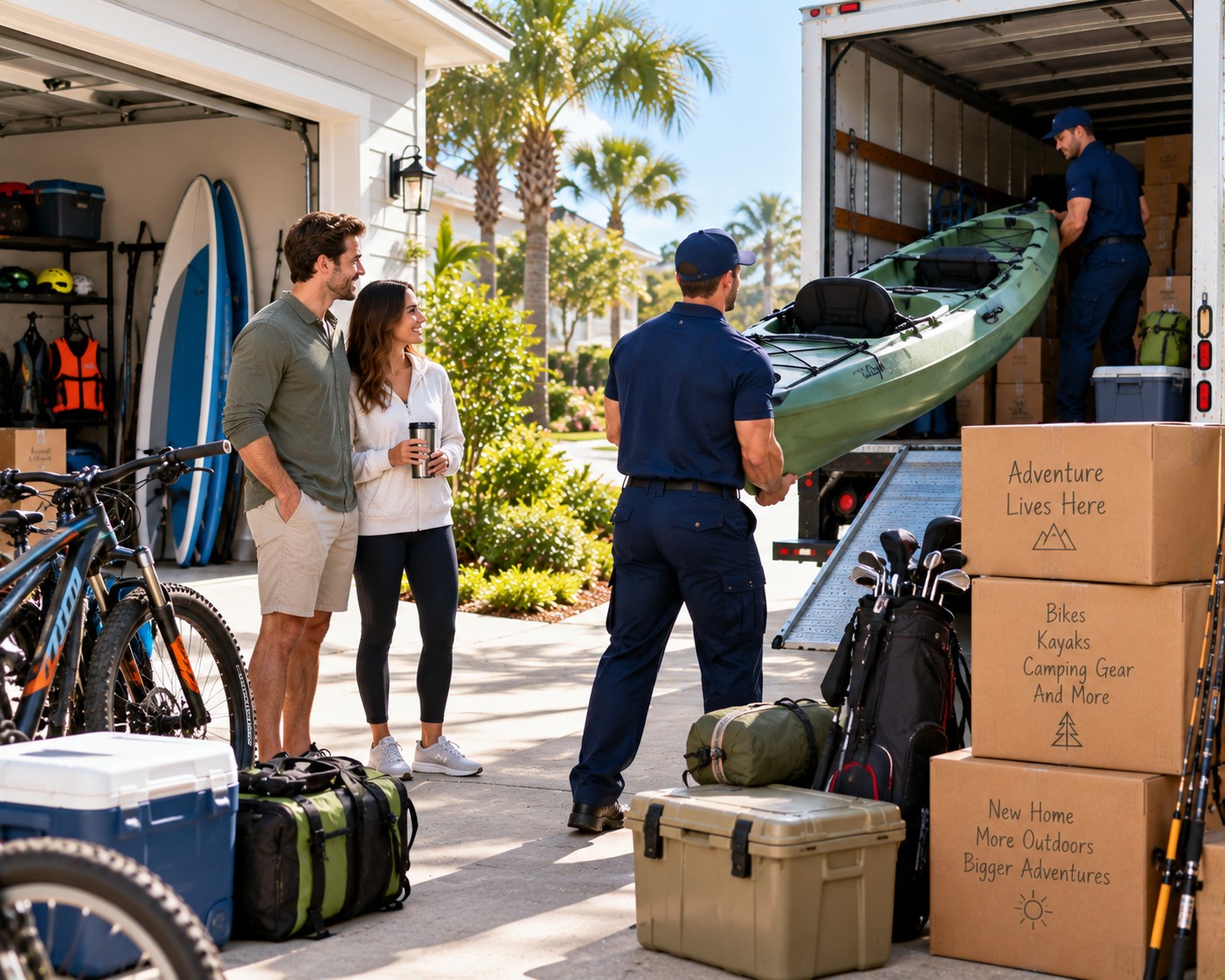
Moving from a home filled with outdoor recreation equipment is a different kind of household project. Instead of dealing only with boxes, beds, and kitchenware, homeowners may have kayaks, bicycles, paddleboards, fishing equipment, camping gear, coolers, sports equipment, and bulky storage racks to consider. These belongings can be valuable, oddly shaped, and surprisingly difficult to organize for transportation.
A smoother Jacksonville move begins by treating recreation equipment as its own category. With early preparation, homeowners can reduce clutter, protect specialized gear, and make better use of available truck space.
Take Stock of the Gear Before Packing
Outdoor equipment tends to accumulate gradually. A garage, shed, patio, or spare room may contain items that have not been used for months but still need to be transported.
Create an inventory before packing begins. Group belongings according to their purpose, such as water sports, cycling, fishing, camping, fitness, and children’s outdoor activities.
Decide What Actually Belongs in the New Home
A move provides an excellent opportunity to evaluate equipment that has been sitting unused. Check whether older items are damaged, incomplete, or no longer suitable for your family’s activities.
Donate or sell usable equipment that no longer serves a purpose. Discard items that are unsafe or beyond practical repair. Reducing the volume of gear can make the relocation noticeably easier.
Movers in Greensboro may also be useful for households coordinating a broader North Carolina relocation where outdoor equipment represents a substantial portion of the household inventory.
Clean Equipment Before Transportation
Outdoor gear often carries sand, dirt, grass, mud, or moisture. Cleaning it before loading helps prevent those materials from spreading to furniture and cartons.
Rinse appropriate equipment and allow it to dry completely. Pay attention to wheels, straps, handles, storage compartments, and other areas where debris tends to collect.
Separate Wet and Dry Items
Never pack damp gear into sealed containers unless the equipment is specifically designed for that type of storage. Moisture can create odors and contribute to deterioration during transportation.
Towels, drying cloths, and removable fabric components should be cleaned and completely dry before being packed.
Prepare Oversized Recreation Equipment
Large equipment requires more planning because of its dimensions rather than simply its weight. Kayaks, paddleboards, bicycles, rowing machines, and bulky sporting equipment can consume considerable truck space.
Remove detachable accessories whenever appropriate. Take off bicycle pedals, removable racks, equipment bags, or other components that can be transported separately.
Keep hardware in labeled bags and attach those bags securely to the corresponding item.
Protect Delicate Surfaces
Recreation equipment may include fiberglass, painted metal, plastic, carbon fiber, glass, or other surfaces that can be scratched or cracked.
Use suitable protective materials around vulnerable areas. Bicycles should be positioned so that their frames and components cannot rub against heavy furniture. Boards should be protected from impacts and excessive pressure.
Give Fishing Equipment Special Attention
Fishing rods are long and relatively fragile, making them easy to damage when placed loosely among other possessions. Whenever possible, use protective tubes or suitable cases.
Reels, tackle boxes, and smaller accessories should be packed separately. Check tackle containers before packing and remove anything that cannot legally or safely be transported with ordinary household goods.
Organize the Truck Around Large Gear
The loading sequence matters when a household contains extensive recreation equipment. Oversized pieces should not simply be placed wherever an empty section appears.
Discuss the largest items with Movers in Jacksonville before loading begins. Their dimensions can influence how furniture, cartons, and other belongings should be positioned.
Long equipment should be secured so it cannot shift during transportation. Heavy boxes should not be stacked against delicate sporting gear.
Plan the Destination Storage
Before arriving at the new property, decide where recreation equipment will live. A garage, shed, mudroom, basement, or dedicated storage area may work differently depending on the home’s layout.
Leave Access to Frequently Used Gear
Avoid placing bicycles or kayaks behind dozens of boxes if you expect to use them soon after moving. Create an accessible area for equipment that is likely to be needed first.
Label cartons according to their destination rather than simply writing “garage.” Specific labels such as “Fishing Gear,” “Camping Equipment,” or “Pool Accessories” make unpacking considerably easier.
Keep Moving Day Safe and Efficient
Large recreation equipment can create trip hazards when it is scattered around driveways, hallways, and loading areas. Keep smaller accessories contained and establish a clear path between the home and truck.
Children and pets should remain away from active loading zones. Valuable gear should also be inspected before and after transportation.
For Jacksonville homeowners with extensive outdoor equipment, moving is easier when every piece has a place in the plan. Cleaning gear, reducing unnecessary items, protecting specialized surfaces, separating accessories, and organizing truck space can prevent many common problems. Experienced Movers in Jacksonville can handle the physical demands while homeowners focus on creating an organized recreation area in the new home.